
Applied HVAC · San Francisco Bay Area, CA
Commercial HVAC care, with evidence
Bay Area service for critical HVAC equipment. Understand its condition, prepare for outages, and make maintenance decisions from documented findings.
Can you count on this machine, and is it getting the care it deserves?
The HVAC Health Assessment is a $2,500 value, free for qualified sites. Three slots a month.

From the field
The people behind the performance.
Hands-on work on the equipment your building depends on. Start with one critical asset and a clear next step.
Request an HVAC Health AssessmentThe problem
A completed checklist is not the same as a working machine.
We kept walking into mechanical rooms and seeing the same thing: a binder full of finished PM checklists sitting ten feet from a broken machine. The chiller was still down. The part was nine weeks away. Nobody had broken the rules of the maintenance plan — the plan was the problem.
Every building pays for reliability sooner or later. You can pay on a schedule you pick, or you can pay at 2 a.m., at emergency rates, with a rental unit on a truck and tenants on the phone.
Proof
What that difference looks like in the field
Three from our own job records, checked before publication.
A San Francisco hotel chiller was getting a third of the water flow it was built for. Another contractor had choked it down by hand months earlier, and every PM sheet since was marked complete. One adjustment fixed it the same day.
A North Bay school campus paid $64,833 across five trips and roughly three months because new alarm codes surfaced after each board was replaced. No critical spares were onsite, and every trip needed its own review and approval.
A central plant threw 525 flow trips in nine days. We saved the alarm history instead of clearing it. The survey that followed found 22 of 24 exchangers leaking, and ClimateCare provided rental, repair and replacement options to meet their needs.
The method
Five connected steps, not five separate invoices
Each step answers a question you already have, and hands the next step something it can use.
| Step | The question it answers | What you get |
|---|---|---|
| 1 HVAC Health Assessment | What shape is the equipment really in? | Condition, alarm history, what to fix first, and the right PM level |
| 2 Playbook + Training | What should our people do when it alarms? | A practiced recovery plan and operators trained against the factory manuals |
| 3 Critical Spares | Which part would keep us down for weeks? | Verified onsite parts that can shorten purchase approval and delivery waits |
| 4 CARE PM | Is performance stable or slipping? | A baseline, with visit-to-visit trend comparisons in Proactive and Max CARE |
| 5 Lifecycle Planning | Where does the next dollar belong? | A one-page plan your CFO can approve from, with the reasoning shown |
The work
Two services, one standard
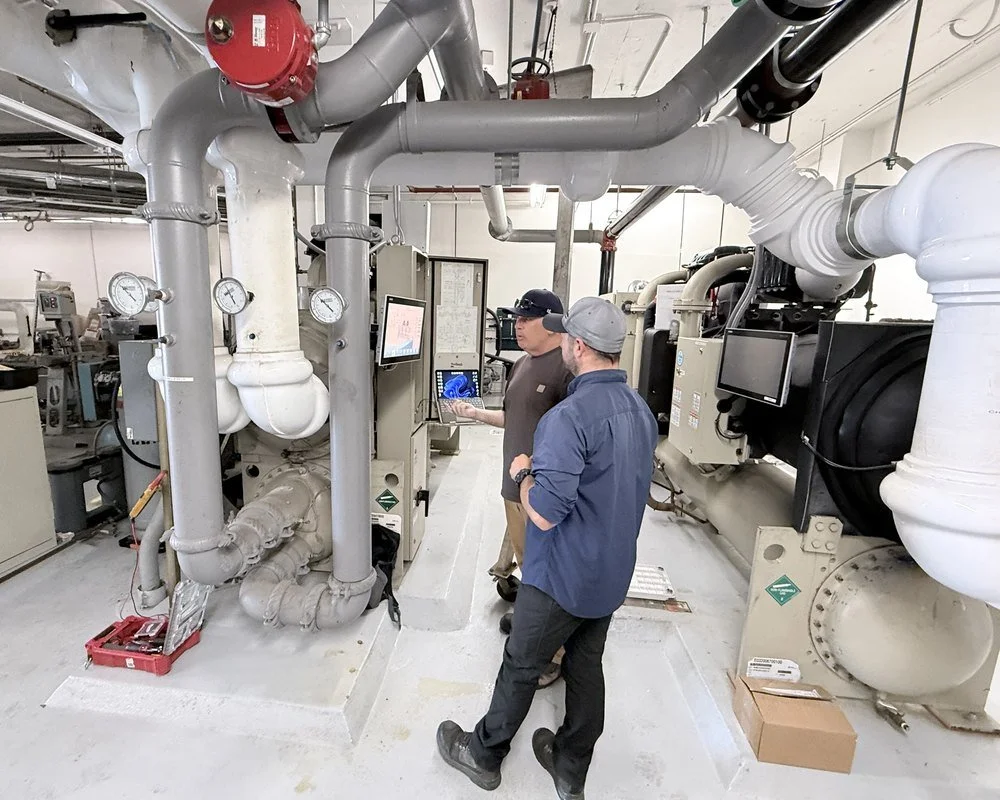
Preventative Maintenance
Three tiers: a maintenance baseline in Essential, with trend comparisons added in Proactive and Max CARE.
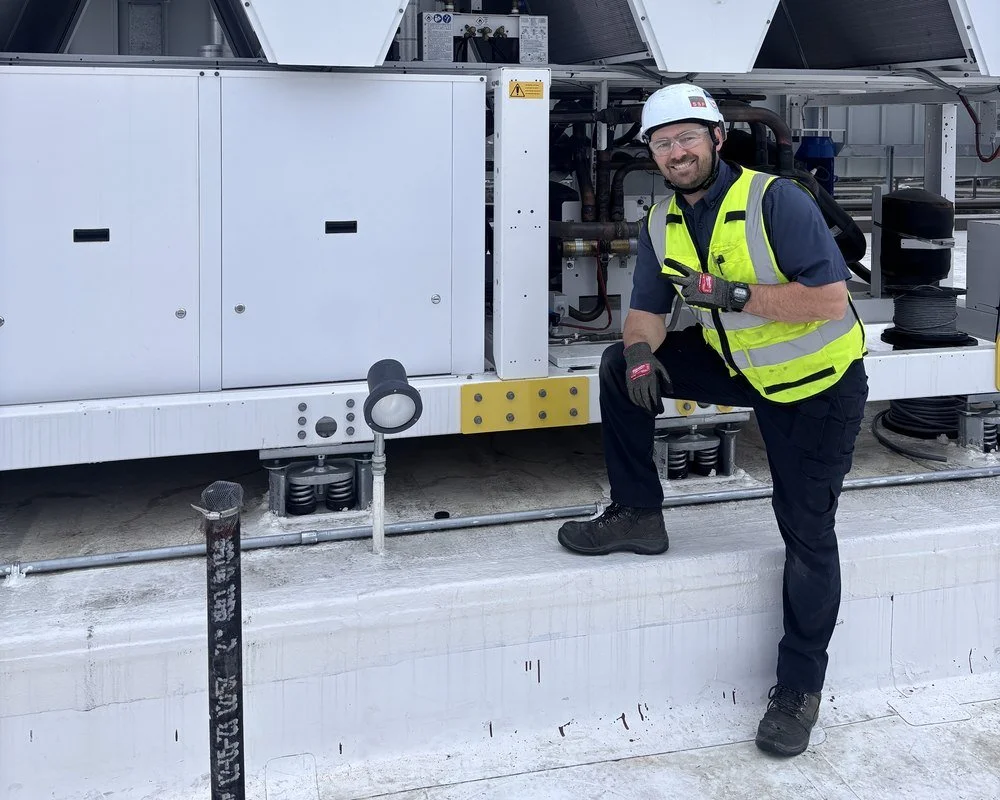
Startup Services
Startup is not a visit, it is a system. Five defined phases so scope, schedule and turnover never fall between the people responsible.
Document condition. Prioritize the next action.
Our guidance is a set of rules, not a repair. It protects information and prevents damage you can avoid. It never replaces a trained technician or the factory manual, and we put those limits in writing. A program that promises too much is just a slower emergency.
Equipment risks ranked for action, with documentation your leadership can use to plan maintenance and repairs.
Startup phases defined before mobilization, readiness checked to reduce avoidable return trips, and warranty decisions supported by complete field records.
Find out where you actually stand
A senior technician checks one piece of equipment you cannot afford to lose. Then we explain what we found, in person. If we cannot show you at least two risks you can act on, you owe us nothing.
Request an HVAC Health Assessment
A senior technician reviews one critical HVAC asset. No cost for qualified facilities in the greater Bay Area.
Before scheduling: CCMS confirms site and equipment fit, then arranges customer/credit onboarding. This request does not book a visit or authorize paid work. Please do not include credit, financial, or patient records here.
